


Do I Need An Eye Exam If My Vision Seems Fine?
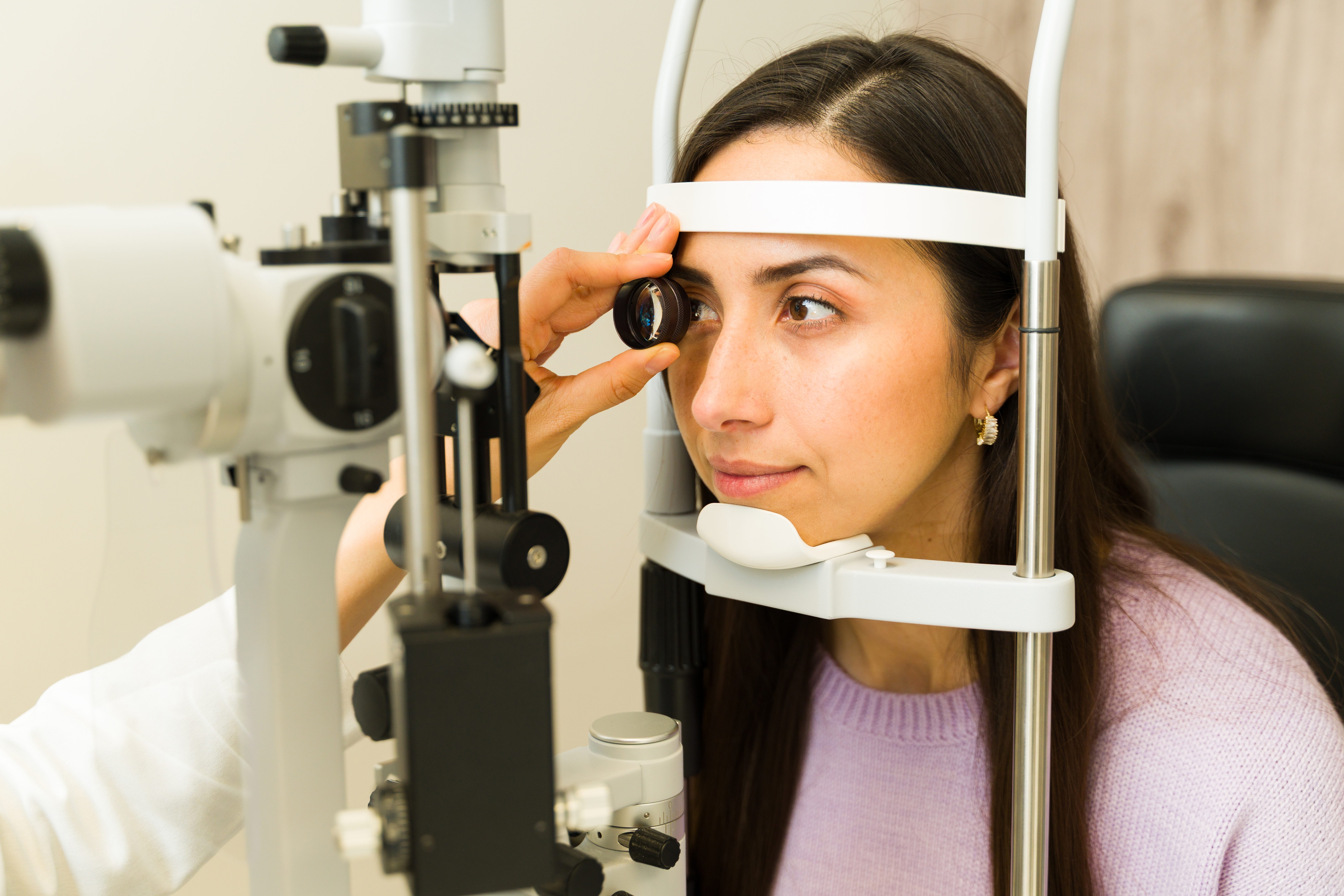
If your vision seems clear, it may feel like an eye exam can wait. However, healthy eyesight is about more than seeing well in the moment. Subtle vision changes and early signs of eye disease can develop gradually, often before you notice symptoms. A comprehensive eye exam helps your eye doctor check your vision, evaluate your eye health, and catch concerns early so you can protect your sight long-term.
Subtle Vision Changes Can Go Unnoticed
Vision changes often happen gradually, which can make them easy to miss. You may start holding reading material farther away, increasing screen brightness, squinting at street signs, or feeling more tired after close-up work without realizing your eyes are working harder than they should.
In some cases, one eye may compensate for the other, allowing you to function normally even when a prescription change or eye health concern is developing. A comprehensive eye exam can identify these subtle changes early and help determine whether you need updated glasses, contact lenses, dry eye treatment, or further monitoring.
Clear Vision Does Not Always Mean Healthy Eyes
Many people wait until they notice blurry vision, eye pain, headaches, or trouble seeing at night before scheduling an eye exam. While those symptoms should always be evaluated, they are not the only reasons to see an optometrist.
Some eye diseases can progress quietly in the early stages. Conditions such as glaucoma, diabetic eye disease, macular degeneration, and retinal concerns may not cause obvious vision changes right away. By the time symptoms appear, the condition may already be more advanced.
Routine eye exams give our eye doctor an opportunity to detect early changes, monitor risk factors, and recommend care before problems become more difficult to manage.
What an Eye Exam Can Reveal
A comprehensive eye exam evaluates both your vision and overall eye health. Even if you do not need glasses or contact lenses, the exam can provide important information about how your eyes are working.
During an eye exam, your optometrist may assess:
- Visual clarity and prescription changes
- Eye focusing and teaming ability
- Eye pressure and glaucoma risk
- Retinal health and optic nerve appearance
- Signs of dry eye, allergies, or irritation
- Early signs of eye disease or health-related vision concerns
These evaluations help create a more complete picture of your eye health beyond whether your vision seems fine day to day.
Why Regular Eye Exams Are Essential at Every Age
Eye exams are important for children, adults, and seniors. Children may not always know how to explain vision problems, and undetected issues can affect reading, learning, and classroom performance. Adults may experience gradual vision changes from screen use, aging, or health conditions. Seniors are at a higher risk for certain eye diseases that benefit from early detection and ongoing monitoring.
Your exam schedule may depend on your age, medical history, family history, prescription, and overall eye health. Patients with diabetes, high blood pressure, a family history of glaucoma, or existing eye concerns may need more frequent visits.
When to Schedule an Eye Exam Sooner
Even if your vision seems stable, you should schedule an eye exam if you notice new floaters, flashes of light, eye pain, sudden vision changes, frequent headaches, double vision, redness, dryness, or increased sensitivity to light. These symptoms may point to issues that need prompt attention. It is also a good idea to schedule an exam if it has been more than a year since your last visit. Preventive eye care helps protect your vision and gives you peace of mind.
Schedule a comprehensive eye exam with Miller Optometry to check your vision, monitor your eye health, and catch subtle changes before they affect your daily life. Visit our office in Yucaipa, California, or call (909) 341-1800 to book an appointment today.


Contact Information
Call Us:
(909) 341-1800
(909) 341-1800
Business Hours
- Monday 8:00am - 5:00pm
- Tuesday 8:00am - 5:00pm
- Wednesday 8:00am - 5:00pm
- Thursday 8:00am - 5:00pm
- Friday 8:00am - 5:00pm
- Saturday Closed
- Sunday Closed
© 2026 Miller Optometry. All rights Reserved. Accessibility Statement - Privacy Policy - Sitemap
Powered by:
